No products in the cart.
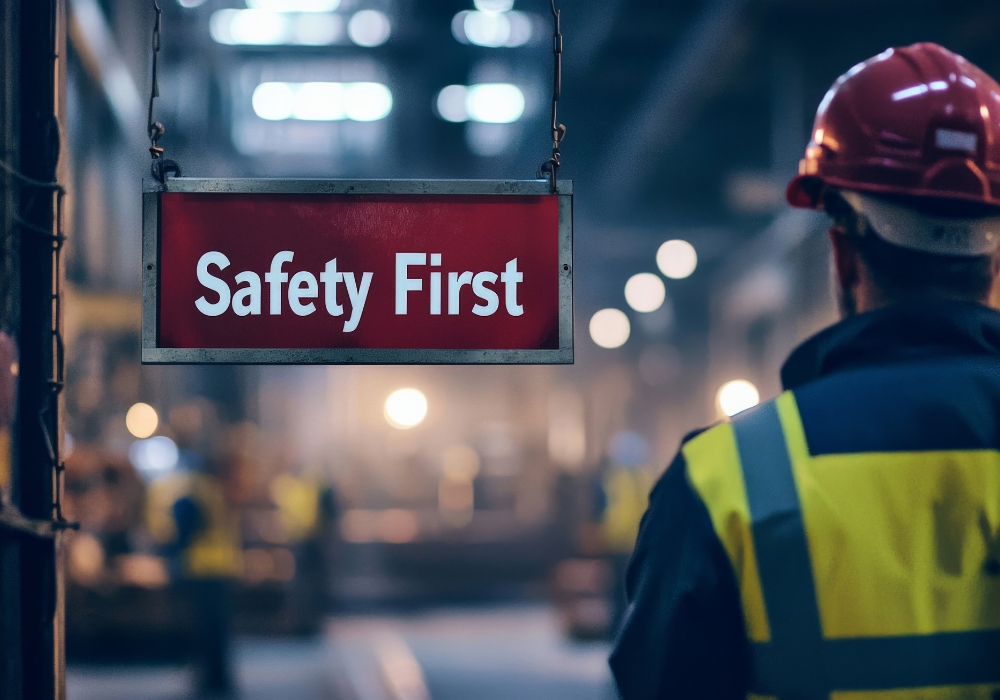

Workplace safety is one of the most important responsibilities for every organization. In modern industries, employees work with machinery, electrical systems, chemicals, heavy equipment, and operational processes that may create safety risks if proper precautions are not maintained. A safe workplace not only protects employees from accidents and injuries but also improves productivity, operational efficiency, and business reputation.
Organizations that prioritize safety create healthier working environments where employees can work confidently and efficiently. Proper workplace safety management helps businesses reduce risks, avoid legal penalties, and maintain smooth operational continuity.
Every business, whether industrial or commercial, must ensure that employees work in a safe and secure environment. Workplace safety helps prevent accidents, injuries, occupational diseases, and operational hazards that can negatively impact both employees and business operations.
A strong safety system protects workers, reduces downtime, improves employee morale, and increases productivity. Businesses with effective safety practices also build stronger trust among employees, clients, and stakeholders.
Industries face various workplace hazards depending on operational activities and work environments. Identifying these risks is the first step toward creating safer workplaces.
Some common industrial hazards include:
Regular safety inspections and risk assessments help organizations identify these hazards early and implement preventive measures before accidents occur.
Employee awareness and training are essential for maintaining workplace safety. Workers should understand operational risks, emergency procedures, PPE usage, and safe working methods to avoid accidents and unsafe practices.
Safety training programs help employees:
Organizations should conduct regular training sessions, mock drills, and safety awareness programs to strengthen safety culture within the workplace.
Personal Protective Equipment (PPE) is one of the most important safety measures for protecting employees from workplace hazards. PPE helps reduce exposure to physical, chemical, electrical, and environmental risks.
Common PPE includes:
Employers must ensure that employees use proper PPE according to workplace requirements and operational risks. Regular inspection and maintenance of safety equipment are also necessary for effective workplace protection.
Fire safety is a critical component of workplace safety management. Industries and commercial establishments should maintain proper fire prevention systems, emergency exits, firefighting equipment, and evacuation procedures to handle emergencies effectively.
Important fire safety measures include:
Proper emergency preparedness helps businesses reduce fire risks, protect employees, and minimize operational losses during emergencies.
Government authorities require organizations to follow workplace safety regulations, labor laws, industrial safety standards, and fire safety guidelines. Compliance helps businesses operate legally and avoid penalties, legal issues, and operational restrictions.
Organizations should maintain:
Maintaining compliance improves operational credibility and ensures long-term business sustainability.
A strong workplace safety culture encourages employees and management to work together toward maintaining safer operations. Safety becomes a shared responsibility rather than just a regulatory requirement.
Businesses with strong safety cultures experience:
Creating a proactive safety culture helps organizations achieve both operational success and employee wellbeing.
Workplace safety is not only about following regulations; it is about protecting employees, improving operational stability, and building sustainable business growth. Modern industries must invest in safety management systems, employee awareness, compliance practices, and emergency preparedness to maintain safe and productive workplaces.
Organizations that prioritize workplace safety create healthier environments, reduce operational risks, improve business performance, and build stronger trust among employees and clients. A safe workplace is the foundation of a successful and responsible business.


Leave a comment